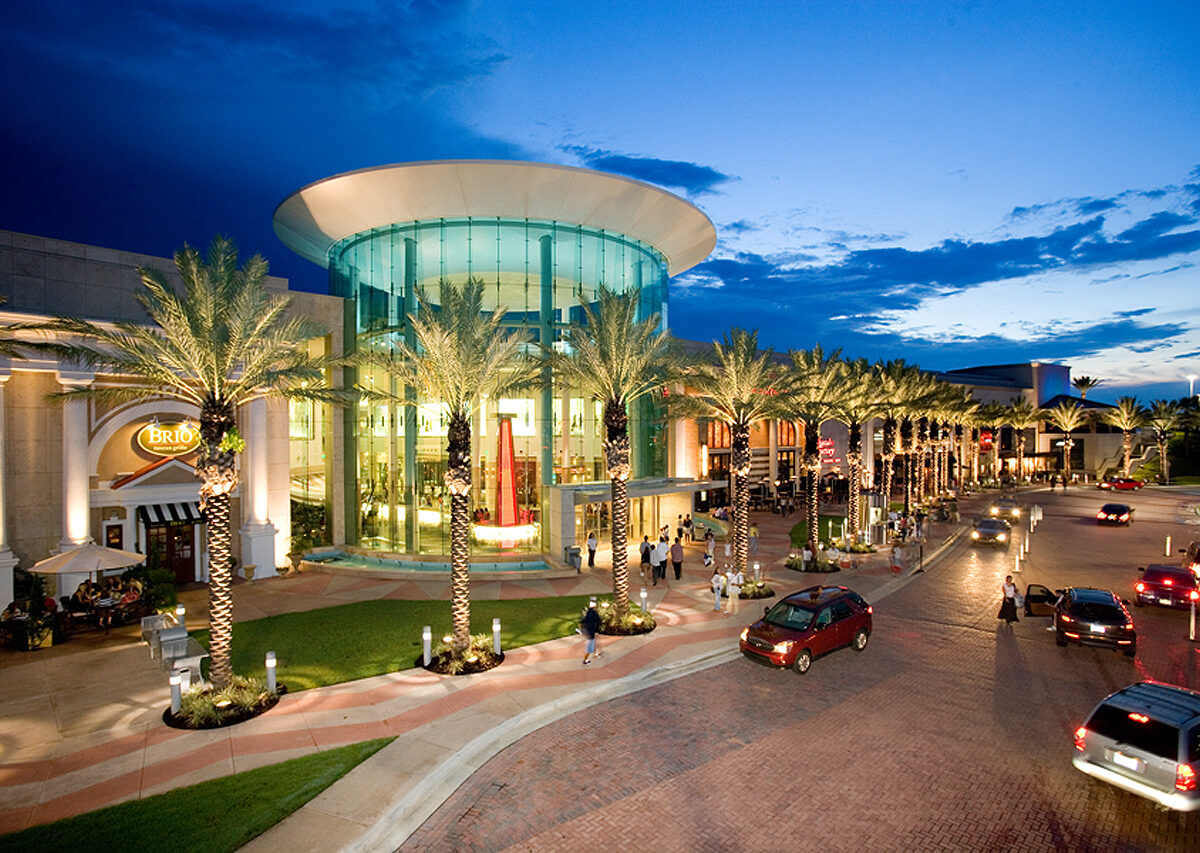
For years, the narrative around malls felt bleak: e-commerce was winning, foot traffic was down, and retail was going digital. But a shift is underway, and the surprising part? Gen Z is driving it!
According to a recent article in The Wall Street Journal, Gen Z’s retail-spending growth is now outpacing every other generation. Data from NielsenIQ projects that the generation’s global annual retail spending will exceed $12 trillion by 2030.
Even more notable for those of us in commercial real estate: Gen Z prefers to shop in person. The article highlighted research from Circana that found that shoppers aged 18–24 made 62% of their general merchandise purchases in physical stores last year, compared to 52% for shoppers over 25.
It’s not just spending habits – it’s showing up in real traffic.
A recent article in USA Today cited data from Placer.ai showing that traffic to indoor malls increased 4.5% in January and February year-over-year. The most digitally native generation in history is choosing to shop in stores. For landlords, developers, and retailers, that’s a signal worth paying attention to.
A Little Mall Nostalgia
I’ll admit the idea of a mall resurgence makes me a little nostalgic. Growing up, the mall was where everything happened. You met friends there on a Friday night, grabbed an Orange Julius, stopped by Bath & Body Works to check out the newest scents, and wandered through stores even when you had no intention of buying anything. It’s also where I had my first job, folding jeans at the Gap.
Looking back, the mall wasn’t just a shopping destination. It was a social experience. And that may be exactly what Gen Z is rediscovering.
Retailers Are Already Seeing the Impact
Retailers are beginning to see the effects of this shift. The Wall Street Journal reported that Tapestry, the parent company of Coach and Kate Spade, recently reported double-digit store sales growth, driven largely by Gen Z shoppers. And, that PacSun, a brand long associated with mall culture, expanded its store count last year for the first time in 18 years and plans to open up to 35 new stores by 2029.
For a generation raised on online shopping, their enthusiasm for physical retail is changing how brands think about stores again.
What This Means for CRE
From a commercial real estate perspective, this trend reinforces something many of us have suspected for a while: The future of brick-and-mortar retail isn’t just about transactions, it’s about experience.
My background in experiential marketing has shown me that as the world becomes increasingly digital, the value of human connection increases.
Stores that simply function as distribution points will struggle. But retailers – and landlords – that prioritize experience will win. That means:
• Designing spaces for shareability (photo moments, visual storytelling).
• Programming events and activations that create reasons to visit.
• Leveraging influencers and creators to bridge digital and physical audiences.
• Blending retail with entertainment, wellness, and food to extend dwell time.
The modern store is no longer just a point of sale – it’s a brand experience hub.
The Mall as a Social Platform
For mall owners and retail landlords, this is a real opportunity. Malls were originally designed as social ecosystems, places where shopping, dining, and entertainment intersected. That format may be uniquely suited to what Gen Z is looking for today.
Successful malls of the future will likely look different than those of the past. Tenant mixes will continue evolving toward experiential retail, food concepts, fitness, wellness, and entertainment alongside traditional retail.
The common thread: destinations that create reasons to visit, not just places to buy things.
A Full-Circle Moment
It’s funny to think that the place where many of us spent our weekends, wandering the mall with friends, drink in hand from the food court may once again become a central gathering place for the next generation. The difference now is that every experience has the potential to live both in the real world and online.
For those of us in commercial real estate, Gen Z’s return to the mall isn’t just nostalgic. It’s measurable. It’s growing. And it’s a signal that the next chapter of retail real estate is already underway.